


 English
 русский
 Français
 Español
 عربى
Beer Case Boxes: Board Grades, Dividers and Sizing Tips for Bottle Shipping
Nov 14, 2026
Content
Few packaging jobs are as quietly demanding as beer case boxes. A filled case is heavy, the contents are glass, the box will very likely meet condensation somewhere between the bottling line and the shelf, and it still has to stack four or five high without sagging in the middle. We have been making corrugated board and folding it into boxes in Jiaxing and Zhangshu since 2004, and beer cases remain one of those items where a millimetre of clearance here and a flute grade there decide whether a pallet arrives intact or comes back as a claim.
What follows is the practical version of the conversation we usually have with brewers, distributors and subscription sellers — board grade, dividers, moisture, print, and where the cost traps tend to hide.
What a Beer Case Box Really Has to Handle
Before choosing a board, it helps to be honest about the four loads a case carries at the same time. They pull in different directions, and most failures come from optimising for one and forgetting the rest.
- Vertical load: a pallet of 24-bottle cases can run well past 400 kg, and the bottom case absorbs almost all of it while sitting in a warehouse for weeks.
- Impact and rattle: glass on glass in transit, especially on the last mile where parcels are sorted by machine rather than by hand.
- Moisture: cold rooms, ice baths, damp cellars and humid summer trucks all soften paper fibre.
- Handling and presentation: hand holes, tear strips and printed panels that make the case easy to pick up and easy to sell from.
When a customer tells us their cases are "collapsing", it is nearly always the third point working together with the first, not a board that was too thin on its own.
Choosing Board Grade by Bottle Count and Pack Weight
Board selection starts with a number, not an opinion: how much does the filled case weigh, and how high will it be stacked? Once we know those two things, the flute combination and the edge crush target usually pick themselves. The table below is a starting point we use in sampling, not a rule carved in stone.
| Pack format | Typical filled weight | Board suggestion | Notes |
|---|---|---|---|
| 6 x 330 ml bottles, carrier | 2.5 - 3 kg | Single wall B-flute, around 32 ECT | Open carrier or sleeve; a wet-strength liner helps in coolers |
| 12 x 355 ml bottles | 6 - 7 kg | Single wall C-flute or a light double wall | Full-height partitions or a die-cut insert |
| 24 x 355 ml bottles | 12 - 14 kg | Double wall BC, 48 ECT and above | Reinforced hand holes; glued or taped bottom, never staples |
| 24 x 500 ml cans | 13 - 14 kg | Double wall BC or a heavy single wall | Shorter box, so compression is less critical than puncture |
| Mixed gift or subscription box | 5 - 9 kg | Single wall with moulded or corrugated inserts | Print quality matters more than raw strength here |
 Corrugated Beverage Packaging Boxes for Cans and BottlesCustom beverage cases with die-cut dividers, single- to triple-wall board and optional moisture-resistant coating for cans, bottles and multi-packs.View Product →
If you want the longer explanation of how edge crush, burst test and flute codes fit together, our guide to corrugated box standards covers the numbers behind these choices in more depth than a table can.
Dividers, Fit and the Small Details That Prevent Breakage
Board strength gets the attention, but in our experience the divider system prevents more breakages than an upgrade in flute ever will. Bottles need to be held apart, not packed tight and left to knock against each other on every speed bump.
- Corrugated partitions: the cheapest reliable option for 12 and 24 packs; a well-scored grid holds each bottle in its own cell.
- Moulded pulp or foam inserts: better for premium and gift packs, and easier to make look considered when the box is opened.
- Clearance: roughly 2 to 3 mm of internal slack is usually right. Too tight and the box bulges and loses compression; too loose and the bottles travel.
- Hand holes: double them up on a 24-bottle case, or the fingers tear through on the second lift.
- Tear strips and perforations: worth adding for e-commerce and subscription packs where the customer opens the case at home.
 Corrugated Alcohol Packaging Boxes for Glass BottlesReinforced glass-bottle cases with die-cut dividers, double or triple-wall board and premium print options for safer transit and gift-ready presentation.View Product →
We normally build a plain sample with your actual bottles in it before anyone talks about print. It is a cheap way to find out that a case is 4 mm too narrow.
Humidity, Condensation and Cold Rooms
Paper loses compression strength as it takes on moisture — in a damp cellar or a chilled truck, a board that performs comfortably in a dry warehouse can behave very differently after a week. For breweries this is not a corner case; it is the normal life of the box.
There are a few practical answers. A wet-strength liner slows the uptake. A light moisture-resistant coating on the outside helps with condensation dripping from refrigeration units. Keeping coated stock out of the coldest part of the cold chain, and palletising so that cases are not pressed against a wet floor, does a surprising amount of good as well. We usually advise against heavy waxing now, mainly because waxed board is difficult to recycle and many buyers have moved away from it.
Print, Branding and the Retail Shelf
Beer cases have two audiences: the person stacking a pallet and the person deciding what to buy. Both benefit from clear print, but they need different things. Warehouse-side, a bold colour block and a large product code on the end panel save real time. Shelf-side, a clean two-colour flexo print on kraft often reads better than a busy full-bleed design, and it is far kinder to the budget.
For high-graphic gift and subscription cases, litho lamination gives photo-quality results on a corrugated base. Two things to watch: heavy ink coverage can soften the board slightly, so do not print a 24-bottle case solid black and expect the same compression, and registration on B-flute is never as crisp as on a folding carton, so avoid very fine type below about 6 pt.
Sizing, Sampling and Placing a First Order
The path from idea to a production run is shorter than most first-time buyers expect, provided the information arrives in one go. This is the sequence we follow:
- Send us the bottle dimensions, pack count and any existing box you like or dislike.
- We return a dieline drawing and a plain sample for fit testing with real bottles.
- Run a drop and stack test — in-house or at your own warehouse, whichever is more honest.
- Check the pallet pattern; a case that is 5 mm wider can cost you a whole layer per pallet.
- Approve a printed proof, then move to production.
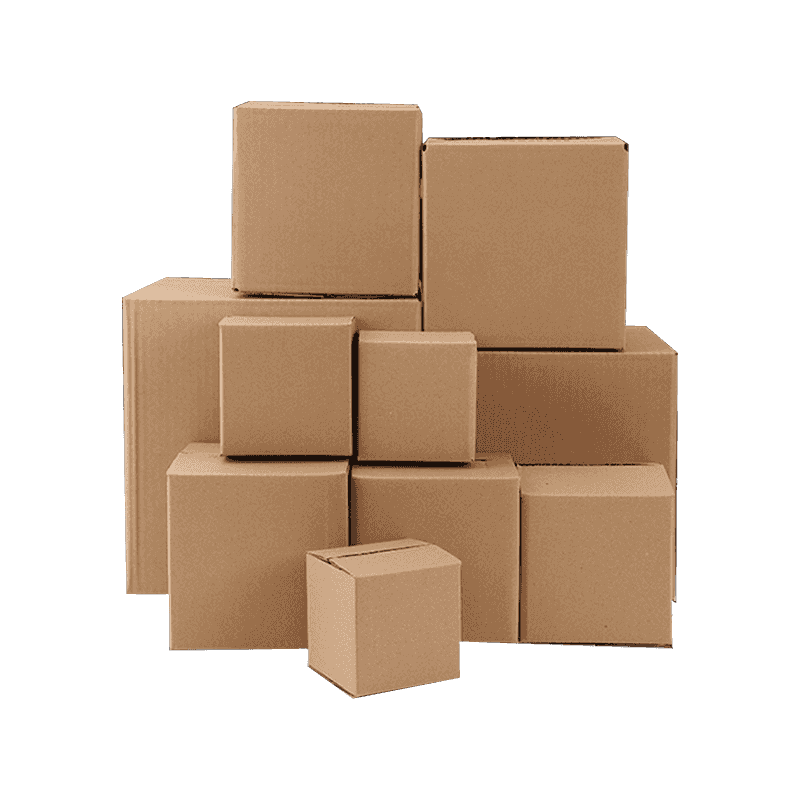 Standard Cube Corrugated Shipping Boxes for Efficient StackingCube shipping boxes with single- or double-wall board, fast auto-lock or fold-flat assembly, and optional printing for consistent palletizing and branded parcel shipments.View Product →
Small parcel brewers often pair a 24-bottle trade case with a smaller cube or mailer for single-bottle and sampler shipments, so the two arrive through the same delivery network looking like they belong together. Our customization service covers print, board, inserts and box style in one brief, and if you are unsure about volumes or lead times, the FAQ page answers most of the questions we get asked before a first order.
Beer case boxes are not complicated, but they are unforgiving. Get the weight right, hold the bottles apart, respect what moisture does to paper, and print clearly enough that the case sells itself. Do those four things and the box quietly does its job for the whole journey.
If you are comparing options for an upcoming run, send over your bottle and pack details — we are happy to sketch a dieline and talk through board grades before any order is on the table.

- Contact Us
- Phone:+86-138 1869 0662
- TEL:+86-573 8570 0965
- Email:[email protected]
[email protected] - Address:No. 269, Jinsui Road, Xincang Town, Jiaxing City, Zhejiang Province, China
- Get in Touch

