


 English
  русский
  Français
  Español
  عربى
عربى Corrugated Cardboard Food Packaging Boxes Manufacturer
-
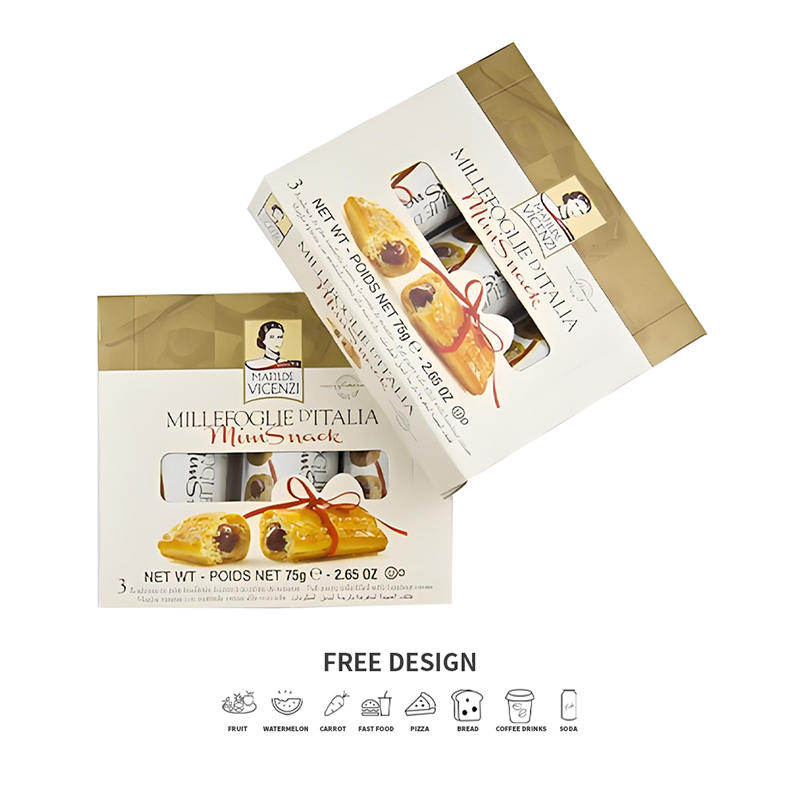
Corrugated Biscuit Packaging Boxes
Biscuits break. That makes cushioning against compression and shock a bigger concern than with most... -
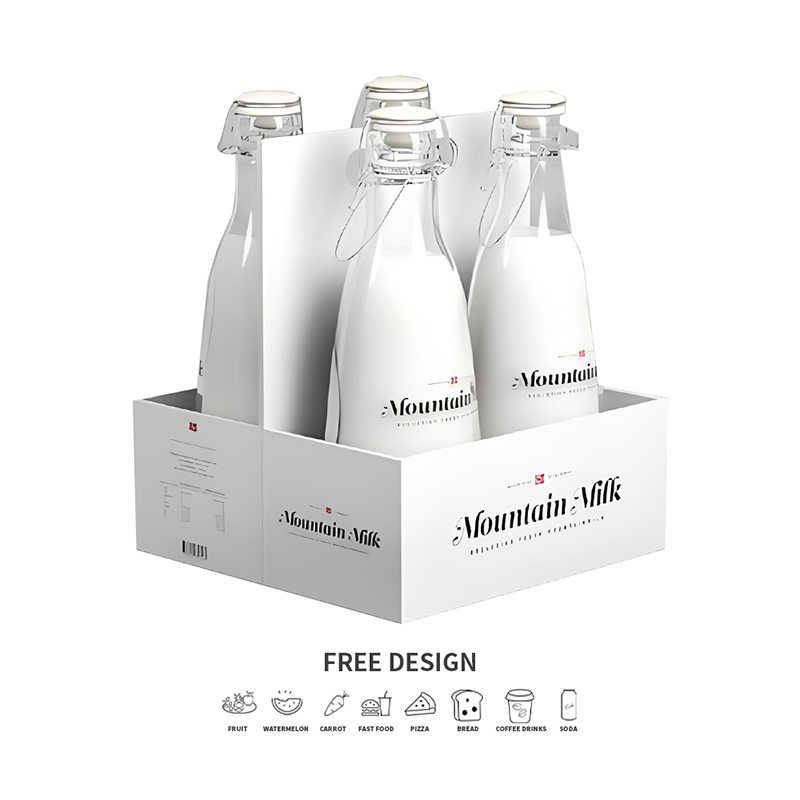
Corrugated Milk Packaging Boxes
Milk bottles and cartons clink against each other in transit, and refrigerated or cold-chain shippi... -
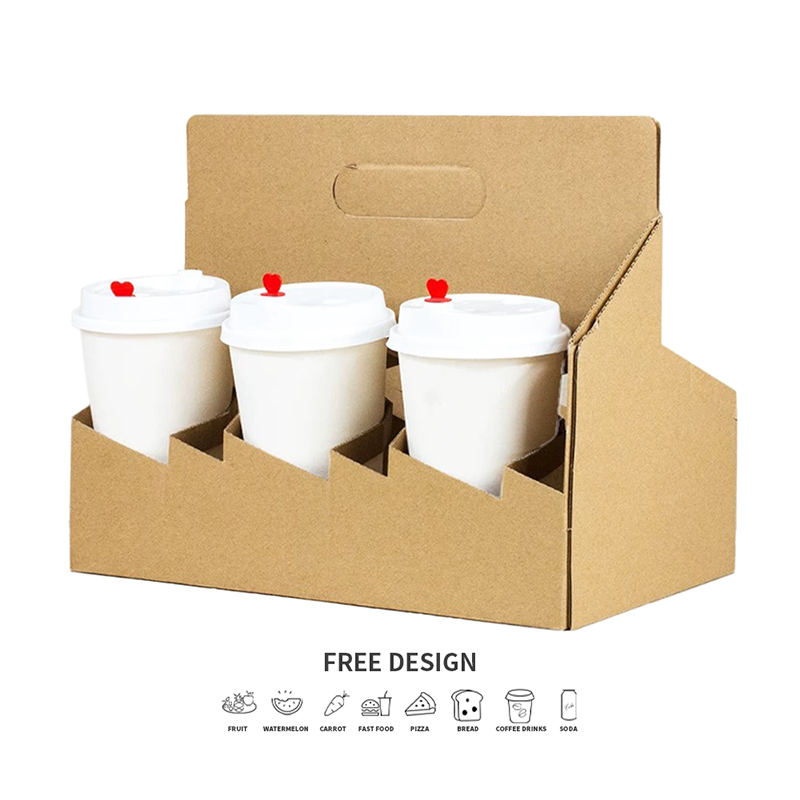
Corrugated Coffee Packaging Boxes
Coffee loses aroma fast once it's exposed to oxygen, moisture, and light — the outer box matters le... -
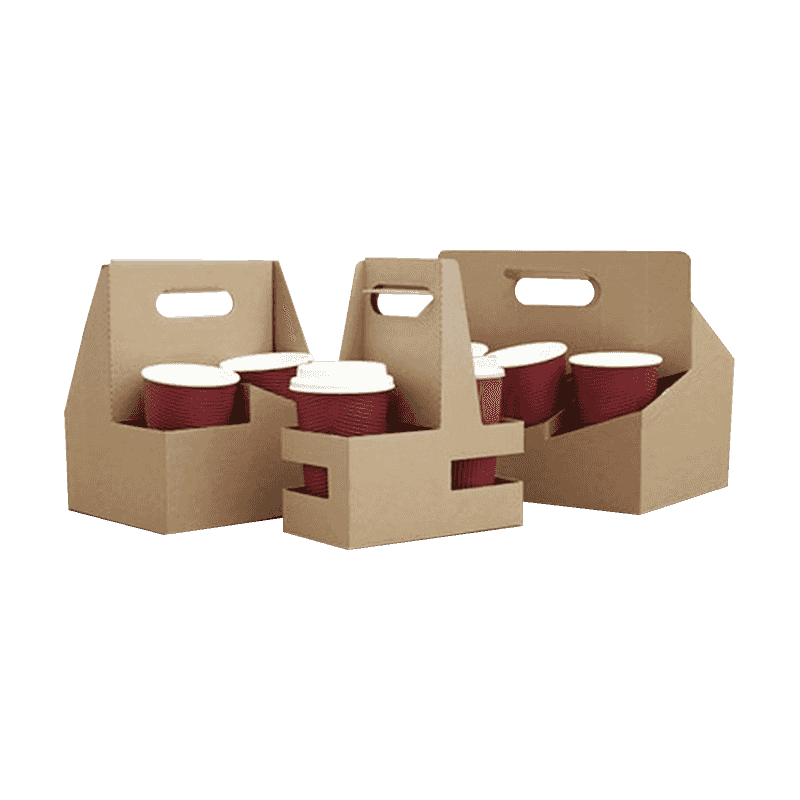
Corrugated Beverage Packaging Boxes
Beverage packaging has to work across formats — cans, glass or plastic bottles, multi-packs — and h... -
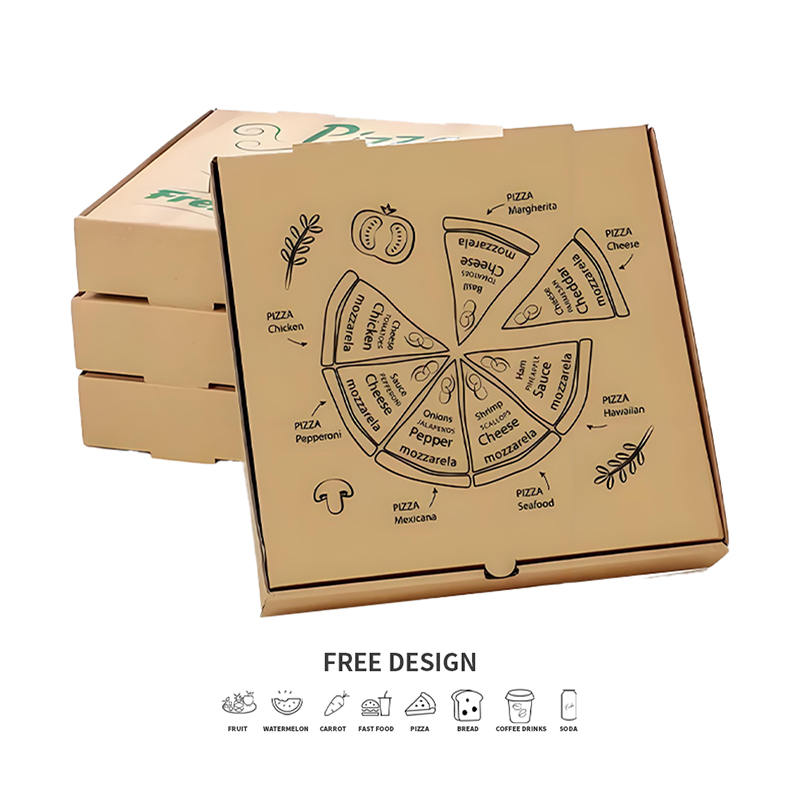
Corrugated Pizza Takeout Box, Custom Logo
A pizza box has to do more than just hold a pizza — it needs to keep it hot, prevent sogginess from... -
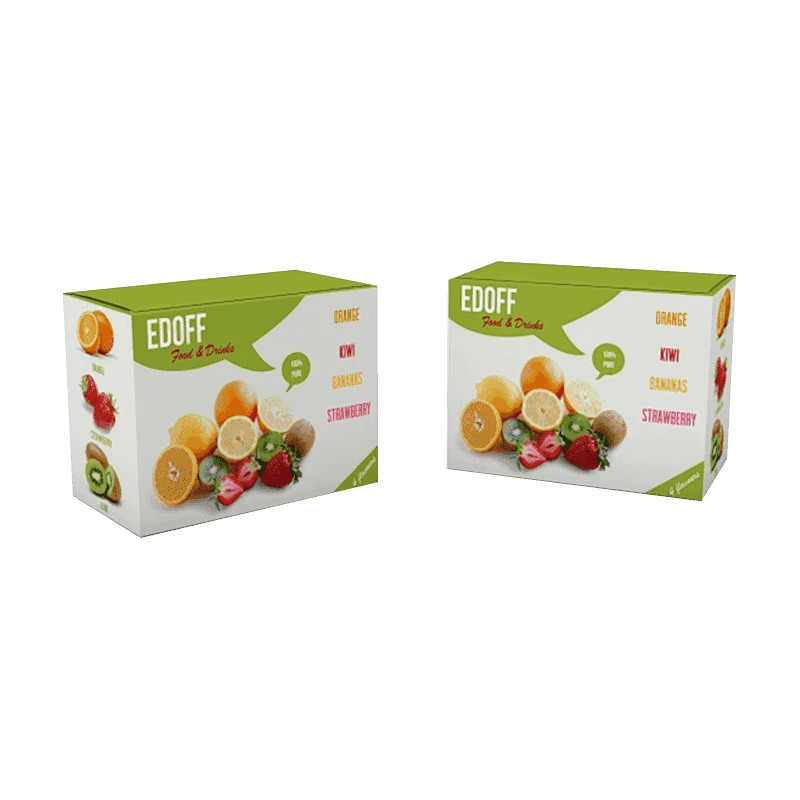
Custom Printed Corrugated Fruit Packaging Box
Fruit needs packaging that does two jobs at once — protect delicate skins during handling and trans... -
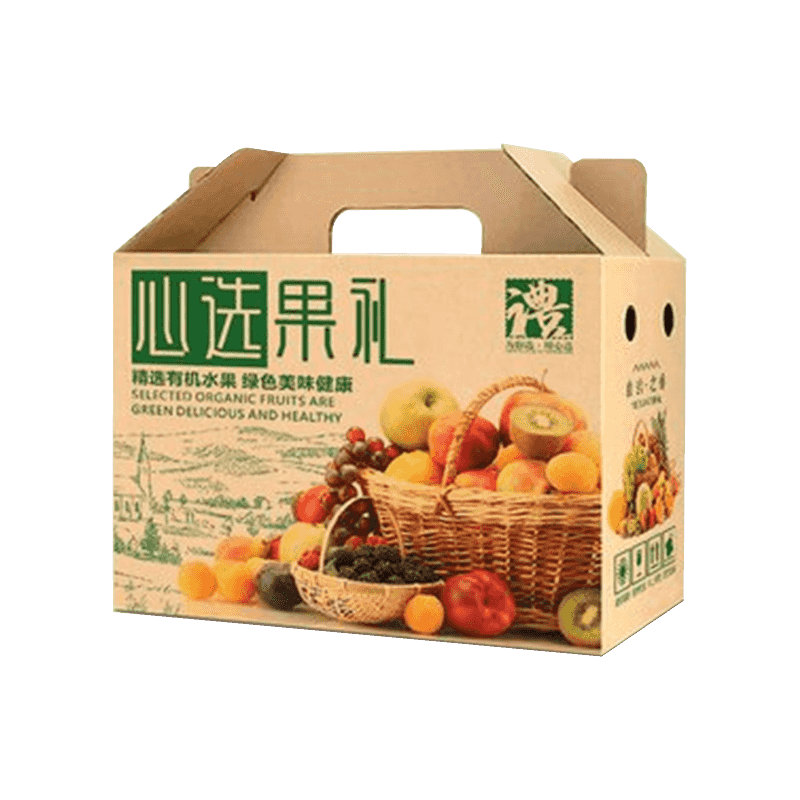
Corrugated Vegetable Packaging Boxes
Different vegetables have different moisture needs — leafy greens wilt fast if they lose humidity, ... -
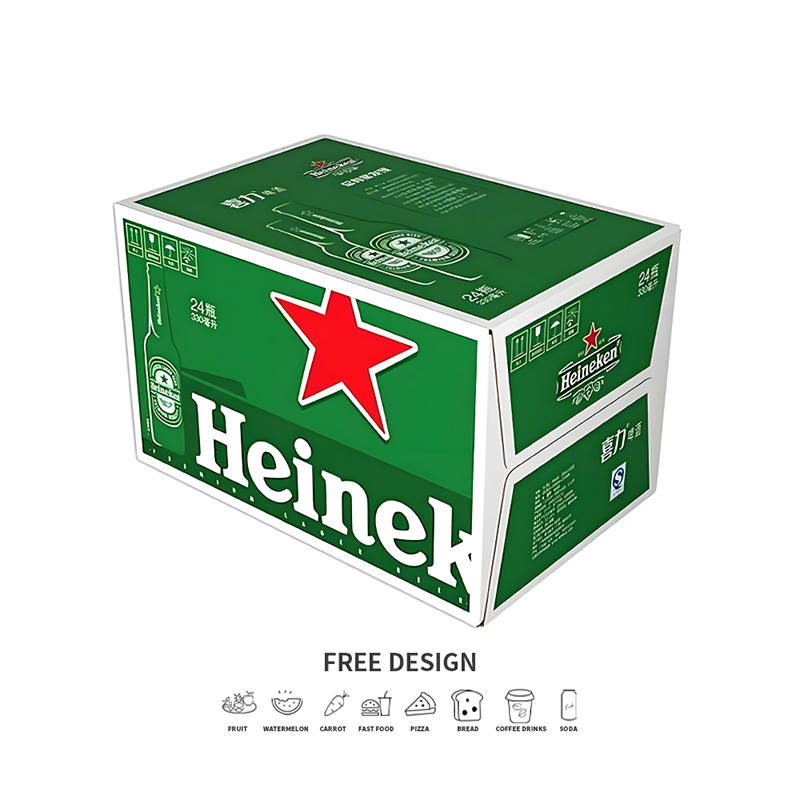
Corrugated Alcohol Packaging Boxes
Glass bottles are heavy, tall, and unforgiving if they shift during transit — a single broken bottl...
Our corrugated food packaging boxes are specially designed to meet the diverse needs of modern food products, ranging from snacks and candy to beverages, fast food, and alcohol. We focus on every detail, ensuring that the packaging is not only attractive but also functional. The lightweight yet sturdy design makes it perfect for a variety of products—whether it's beautifully packaged chocolates or takeout pizza and drinks, our boxes keep the contents secure and fresh during transport. What’s more, we offer fully customized designs to align with your brand’s image and target market, enhancing your product’s market appeal. Whether for supermarket shelves or takeout deliveries, our food packaging boxes will elevate your brand! Customization is available, and product images are for reference only.
About Us
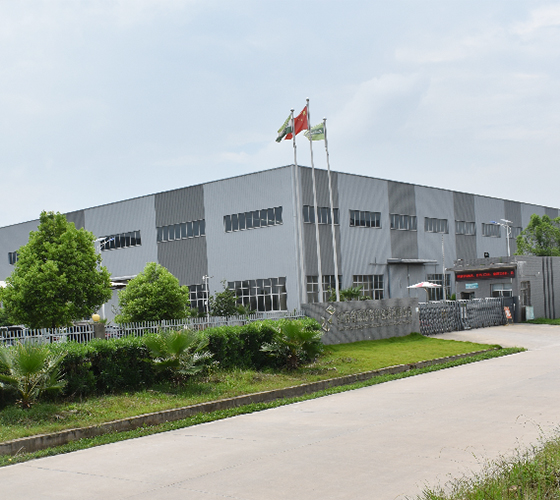
Zhejiang Wenchen Packaging Technology Co., Ltd. was established on December 24, 2004. As Cardboard Food Packaging Boxes Manufacturers in China, Corrugated Food Packaging Boxes Compnay, the company integrates R&D, manufacturing, export and domestic sales. It mainly deals in color boxes, corrugated boxes, corrugated cardboard, industrial cartons, Taobao Tmall and various e-commerce platforms postal express cartons, various specifications of customized printing and other carton products. With 15 years of carton production capacity, the company has rich product experience. The production of cardboard and carton is completed by the company, which guarantees the quality of the product from the source, focuses on automation and large-scale production, and responds quickly to customer requirements; vertical integration can bring better costs to customers.
The company covers an area of 61,111 square meters, with a plant area of 35,000 square meters, an annual output of 150 million square meters of cardboard, and a monthly output of 80 million cartons. Offer Custom Printed Corrugated Food Packaging Boxes. In 2018, the company's annual output value was 260 million yuan.
At present, the company's annual production capacity of paper containers is 300 million square meters, with a fully automatic 2500 door width high-speed cardboard production line, a fully automatic 5-color carton linkage production line, a fully automatic digital printer, 8 three-color printing machines, 2 fully automatic four-color printing machines, 3 1500 die-cutting machines, 1 1450 fully automatic die-cutting machine and other production equipment. As Custom Cardboard Food Packaging Boxes Compnay, the total investment is about 200 million, and the annual sales are about 500 million.
The company has a sound organizational structure and adheres to the principle of "people-oriented, integrity first, customer first, quality first". Friends from all walks of life are welcome to visit, guide and discuss business.
News
-
Industry News 2026-09-11
Every week a customer sends us two printed sheets and asks the same question: which one should we run? One is wrapped in a smooth matte film, the other in a high-gloss one. Both look fine on a desk u...
View More -
Industry News 2026-09-04
The First Rule of FDA Food Packaging Corrugated food packaging will never come with an FDA seal. If you are preparing to ship food in the United States, the practical question is not whether the prin...
View More -
Industry News 2026-08-28
Two quotes land on your desk for what looks like the same brown shipping box. One is built on 200# burst board, the other on 32 ECT, and the prices differ by a double-digit percentage. Both suppliers...
View More -
Industry News 2026-08-19
When a stack of hardcover books toppled a lightweight display in the middle of a busy sales event, the store owner did what most retailers eventually do: asked for something stronger. The fix was a c...
View More
Contact us now
Corrugated Food Packaging Boxes
Food-Contact Board Isn't the Same as Standard Corrugated
Any box where the food touches the cardboard directly — bakery items, produce, or take-out style packaging — needs board and inks that meet food-contact material requirements, not just a clean appearance. This usually means using virgin or food-grade recycled fiber rather than general recycled stock, and confirming that any printed inks on the inside-facing surface are migration-safe. If the box only holds a sealed inner bag or container, this requirement relaxes considerably, so it's worth clarifying at the design stage whether the product touches the board or not.
Grease and Moisture Resistance for Different Food Types
| Liner Treatment | Protects Against | Typical Products |
|---|---|---|
| Grease-Resistant Coating | Oil migration into the board | Pizza, fried foods, baked goods |
| Wax or Water-Based Coating | Surface moisture, condensation | Produce, chilled or iced products |
| Uncoated Kraft | N/A — dry goods only | Dry snacks, packaged staples, sealed bags |
Ventilation for Produce and Perishables
Fresh produce keeps releasing heat and moisture after it's packed, and a sealed box traps both — accelerating spoilage rather than preventing it. Ventilated crate-style boxes with patterned cutouts allow airflow through a stacked pallet, but the cutout pattern has to be planned around the box's stacking points so compression strength isn't lost exactly where the load is carried. This is a case where the graphic-looking vent pattern is actually a structural decision first.
Stacking Strength Under Cold and Humid Conditions
Corrugated board loses a meaningful share of its compression strength as humidity rises, and cold storage or refrigerated transport is one of the most humid environments a box will see. A box that comfortably holds a pallet load at room temperature can sag under the same load after a few hours in a chiller. For anything moving through cold chain, it's worth specifying a stacking strength rating with a safety margin built in for humidity, rather than one calculated for dry warehouse conditions alone.
Closures That Hold Up to Repeated Handling
Food cartons often get opened, checked, and resealed multiple times between the point of packing and the shelf — during quality checks, at distribution centers, or in-store restocking. Tape-sealed flaps tend to weaken after the first reseal, while interlocking or self-locking closures hold their shape through repeated handling without needing fresh tape each time. We can build either style into the same base structure, so the choice comes down to how many times the box realistically gets reopened before reaching the end customer.

- Contact Us
- Phone:+86-138 1869 0662
- TEL:+86-573 8570 0965
- Email:[email protected]
[email protected] - Address:No. 269, Jinsui Road, Xincang Town, Jiaxing City, Zhejiang Province, China
- Get in Touch

