


 English
 русский
 Français
 Español
 عربى
Benefits of Sustainable Industrial Packaging: Less Waste, Lower Cost, Stronger Brands
Nov 20, 2026
Content
- 1 Why Sustainable Industrial Packaging Matters Now
- 2 Environmental Benefits That Improve Daily Operations
- 3 Cost Benefits: Less Material, Less Damage, Lower Freight
- 4 Stronger Product Protection and Fewer Returns
- 5 Brand Trust, Compliance, and Customer Expectations
- 6 Practical Steps to Capture the Benefits
- 7 Common Pitfalls to Avoid
Industrial packaging rarely gets the spotlight, but it shapes almost every shipment a business makes. It protects components on a pallet, keeps food and consumer goods secure, and carries the first impression of a brand into a warehouse or a customer's hands. When teams ask about the benefits of sustainable industrial packaging, they often expect an environmental answer. That is part of the story, but not the whole story. The practical gains usually show up in material use, freight efficiency, damage rates, compliance, and customer confidence.
At Wenchen Packaging, we have been making corrugated board and boxes since 2004, so we tend to look at sustainability through a practical lens. What protects the product? What fits the pallet? What happens after delivery? A packaging choice that sounds green but fails in the warehouse is not sustainable for long. The most useful approach is to treat packaging as a system, not a single material decision.
Why Sustainable Industrial Packaging Matters Now
Many teams begin with a simple question: can we replace one material with another? A better question is: how can the whole packing operation use less, protect more, and recover value at the end of the journey? This is where lifecycle thinking helps. It looks at raw material, board production, conversion, transport, storage, product protection, and end-of-life handling.
Sustainability pressure also comes from outside the factory. Large buyers ask suppliers to report packaging data. Retailers want fewer mixed materials. Export customers ask about recyclability and responsible sourcing. Consumers may not see a shipping carton as a brand moment, but they do notice excessive filler, oversized boxes, and packaging that cannot be easily recycled. The result is a practical push: reduce waste, improve cube efficiency, and keep protective performance intact.
| Decision area | Common short-term choice | More sustainable industrial approach | Operational benefit |
|---|---|---|---|
| Material use | Over-specified board to avoid risk | Right-sized board grade and flute profile | Less material, lower unit cost |
| Transport | Oversized cartons with empty space | Cube-efficient box dimensions | More units per pallet and lower freight |
| Protection | Extra wrap and filler added late | Engineered fit, inserts, and board strength | Fewer damage claims and returns |
| End of life | Mixed materials that are hard to separate | Mono-material corrugated where suitable | Easier recycling for customers |
| Supplier collaboration | Last-minute buying with little design input | Early box and board consultation | Fewer redesigns and smoother launches |
Environmental Benefits That Improve Daily Operations
The environmental case is clear: using less material, choosing responsible fiber sources, and designing for recycling can reduce pressure on forests, energy systems, and waste infrastructure. Corrugated packaging has a strong story here because it is widely collected and recycled, and because board can be engineered to deliver strength with less material. The key is to understand the recyclability of packaging materials in your actual market, not only on a supplier brochure.
Lightweighting is useful, but it must be tested. A thinner board that fails in transit creates more waste than it saves. A smaller box that cannot accommodate the product or protect its corners is not a sustainable improvement. The real gain comes from matching board grade, flute type, box style, and internal fit to the product and the journey. For ecommerce operations, that often means standardizing a small set of right-sized cartons instead of keeping dozens of loose options.
For teams shipping a mix of small consumer goods, standard cartons with more size choices can reduce empty space without slowing down the pack line. That is where a practical range of ecommerce boxes helps.
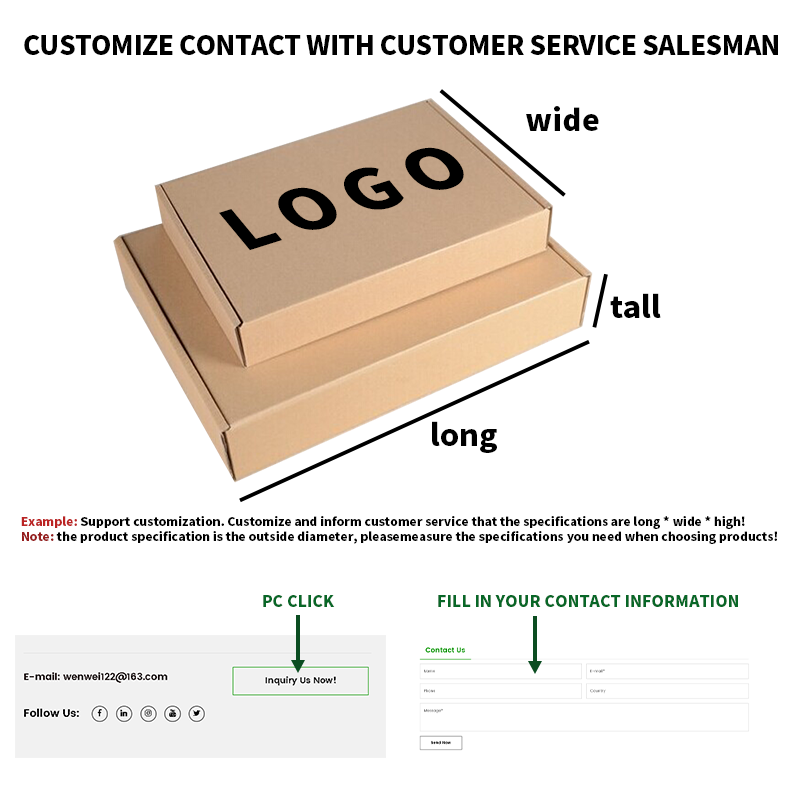 12-Size E-commerce Cardboard Shipping BoxesA range of 12 corrugated box sizes helps reduce empty space and choose practical packaging for mixed small consumer goods shipments.View Product →
Cost Benefits: Less Material, Less Damage, Lower Freight
Cost is often the most persuasive argument because it is measurable. Right-sizing reduces board consumption. Better cube efficiency increases the number of units per pallet or container. Lower damage means fewer replacement shipments and fewer customer service cases. These gains compound across a year, especially for businesses that ship thousands of cartons each month.
Freight is another lever. Many carriers charge by dimensional weight, so a box that is larger than necessary can cost more even when the product is light. Reducing empty space is not just a green move; it is a direct logistics saving. Standard cube boxes can help when products need a compact, stackable format, and they can simplify pallet planning for warehouses.
Cardboard Cube Shipping Boxes for E-commerce LogisticsCubic corrugated boxes maximize space utilization and stack easily, helping reduce dimensional-weight waste and simplify pallet planning for e-commerce logistics.View Product →
There is also a supplier-side benefit. When board making and box conversion are handled together, teams can discuss flute grade, box style, printing, and packing line constraints in one conversation. At our plants in Zhejiang and Jiangxi, we produce corrugated board and convert it into boxes, which helps us respond to changes in size, strength, and delivery schedules without adding unnecessary layers.
Stronger Product Protection and Fewer Returns
A sustainable package that does not protect the product is not sustainable in practice. Returns create transport emissions, replacement packaging, handling labor, and customer frustration. Good industrial packaging design reduces those risks through accurate dimensions, appropriate board strength, and internal structures that keep products stable.
For mail-order products, a well-fitted mailer can reduce void fill and make the unboxing experience cleaner. For fragile or high-value items, engineered inserts and double-wall or heavier board may be the better choice. The point is not to use the least material in every case; it is to use the right material in the right place. Testing remains essential. Drop tests, compression checks, and real route trials reveal whether a lightweight design still performs.
Custom mailer boxes are a useful example. They can be sized closely to the product, printed with clear recycling guidance, and designed to open without excessive inner packaging.
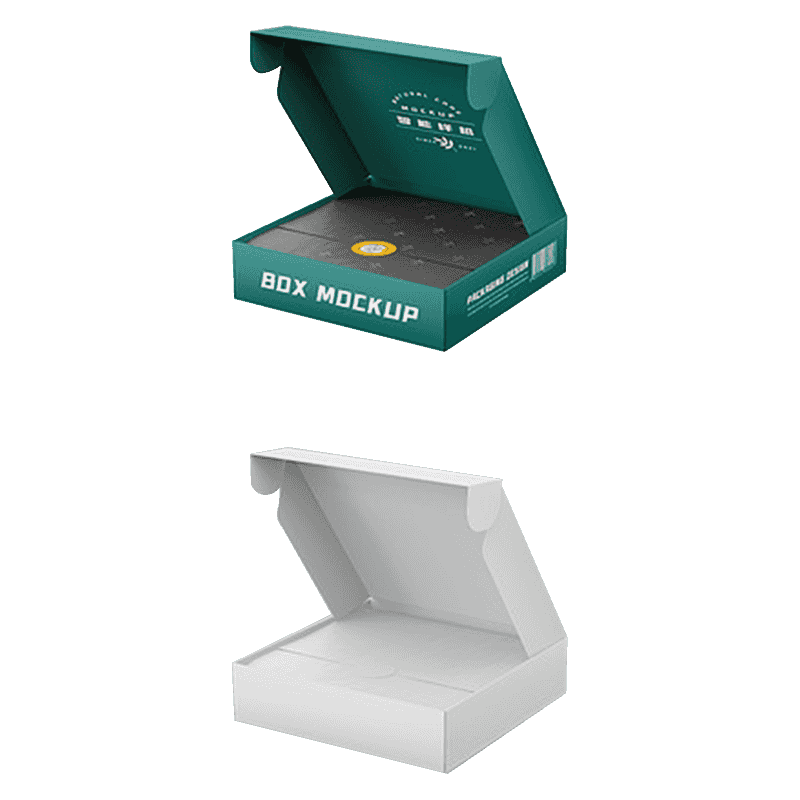 Custom Corrugated Mailer Boxes with Full-Color PrintingCustomizable corrugated mailer boxes offer full-color exterior and interior printing plus product-matched sizing for a structured unboxing experience.View Product →
Brand Trust, Compliance, and Customer Expectations
Sustainability claims need to be specific and supportable. "Eco-friendly" means little if the box mixes materials that cannot be separated or if the supplier cannot explain fiber sourcing. Buyers increasingly ask for clear material data, recycling guidance, and evidence that packaging has been optimized for the product. A calm, well-documented approach builds more trust than a bold slogan.
Compliance is part of the same picture. Food, medical supplies, electronics, and export goods may face different requirements for strength, labeling, or material contact. Packaging teams need to know which claims they can make and which tests support them. This is also where custom packaging support matters: the right box is not simply a catalog item, but a design decision tied to the product, the route, and the end-of-life message.
Practical Steps to Capture the Benefits
A sustainability program does not need to begin with a complete redesign. It can start with a focused review of what is already moving through the warehouse.
- Audit current packaging by product family, box size, board grade, and damage rate.
- Identify oversized cartons, unnecessary void fill, and mixed-material packs that are hard to recycle.
- Right-size the top-moving SKUs and test whether lighter or smaller designs still protect the product.
- Choose materials based on the actual recovery system, not only on a general environmental label.
- Work with a packaging partner early enough to review box style, pallet fit, printing, and delivery needs together.
Common Pitfalls to Avoid
- Treating recyclability as a universal claim without checking local collection and separation.
- Reducing board strength before route testing, then paying for damage later.
- Using compostable or biodegradable materials where industrial composting is not available.
- Adding green graphics without changing the underlying box size, material use, or recovery path.
- Choosing a supplier who can sell a box but cannot discuss board grade, packing lines, and transit risk.
The benefits of sustainable industrial packaging are strongest when environmental thinking meets operational reality. Less material can mean lower cost. Better cube efficiency can mean lower freight. Better protection can mean fewer returns. Clear material choices can mean easier recycling and stronger customer trust. None of this happens by accident, but it does not require a dramatic overhaul either. It starts with a clear view of the product, the journey, and the box that does both jobs well.

- Contact Us
- Phone:+86-138 1869 0662
- TEL:+86-573 8570 0965
- Email:[email protected]
[email protected] - Address:No. 269, Jinsui Road, Xincang Town, Jiaxing City, Zhejiang Province, China
- Get in Touch

