


 English
  русский
  Français
  Español
  عربى
عربى Matte vs Gloss Lamination: Choosing the Right Finish for Corrugated Boxes
Sep 11, 2026
Content
Every week a customer sends us two printed sheets and asks the same question: which one should we run? One is wrapped in a smooth matte film, the other in a high-gloss one. Both look fine on a desk under office lighting, and both will protect the board underneath. The decision has less to do with a spec sheet than with where the box travels, who touches it first, and what the artwork is trying to say.
After more than two decades of producing corrugated board and boxes, we have laminated a lot of printed sheets. Our answer is almost always the same: it depends. This guide walks through the practical differences between matte lamination vs gloss lamination, where each finish earns its keep, and how to choose without spending money on a surface treatment your customers will never notice.
What Lamination Actually Adds to a Corrugated Box
Lamination is a thin plastic film, usually BOPP, somewhere between roughly 12 and 27 microns thick, bonded to a printed sheet with heat and pressure. It is not the same thing as a varnish or an aqueous coating. Those are liquids that cure on the surface of the ink; a laminate adds a separate physical layer on top of it. That layer is what gives a printed box its final look and a good share of its resistance to rubbing, moisture and handling.
Two mechanisms are at work at the same time. First, the film seals the printed surface, so ink cannot be scuffed off by conveyor belts, pallets or a customer's thumb. Second, the film controls how light behaves when it hits the box. Matte film is manufactured with a micro-roughened surface that scatters light in many directions, which is why it reads as soft and non-reflective. Gloss film is smooth and clear, so light bounces back in one direction. That single difference explains almost everything else in the comparison.
One point worth remembering: lamination is chosen before the board is converted, not after. Once the finish is set, changing it means new film, new pressure settings and a new production run. Getting the choice right at the sampling stage is far cheaper than correcting it later.
Matte vs Gloss Lamination at a Glance
If you only have two minutes, the table below covers the differences that matter most in day-to-day packaging work.
| Consideration | Matte lamination | Gloss lamination |
|---|---|---|
| Surface appearance | Soft, low-sheen, understated | Bright, mirror-like, high impact |
| Light behaviour | Scatters light, no glare | Reflects light in one direction |
| Feel | Velvety, paper-like, warm | Smooth, slick, slightly plastic |
| Colour result | Deeper and more restrained | Higher saturation and contrast |
| Fingerprints | Barely visible | Show quickly, especially on dark ink |
| Fine scratches | Can appear as faint whitening | Catch the light and stand out |
| Cleaning | Wipe gently, abrasion leaves marks | Wipes clean with little effort |
| Relative cost | Usually a little higher | Usually the lower-cost option |
| Best suited to | Cosmetics, gifts, premium retail, photo-led boxes | Takeaway food, menus, value retail, promotional cartons |
Matte Lamination: Quiet, Premium, Forgiving
Matte has become the default finish for brands that want to look considered rather than loud. It reads as expensive without shouting, and it photographs beautifully, because there is no glare bouncing back into the camera. For ecommerce sellers who shoot their own product images, that alone can be worth the small extra cost.
Where matte wins
- Premium and gift positioning, where a soft surface signals quality before the box is opened.
- Text-heavy panels, because small type stays legible without reflections washing it out.
- Hands-on unboxing, since fingerprints and light handling marks disappear into the texture.
- Written or stamped elements, because pen and marker behave better on a matte surface than a glossy one.
Where matte needs care
Matte surfaces show abrasion differently. Instead of a bright scratch, you often see a light, chalky mark where the texture has been polished by rubbing. On long truck journeys with boxes sliding against each other, that can dull a dark design. A matte finish also flattens contrast slightly, so very light ink on a white board may lose a little definition.
Gloss Lamination: Maximum Colour, Minimum Fuss
Gloss does one thing extremely well: it makes printed colour look brighter and more saturated. Photographs gain depth, solid blocks of brand colour feel more energetic, and the box looks lively under retail lighting. It is also easier to keep clean, which matters for food packaging that meets grease and condensation.
Where gloss wins
- Photographic artwork and rich gradients, because the film adds apparent depth and contrast.
- Takeaway and prepared food cartons, where the surface must be wiped or resist splashes.
- Cost-sensitive projects, since gloss film is generally the cheaper option and easier to run at speed.
- Promotional and seasonal cartons that need to stand out on a crowded shelf.
Where gloss needs care
Gloss film is unforgiving about handling. Every fingerprint shows, and fine scratches from stacking catch the light. Glare can also hide small design details, including QR codes and fine print, depending on where the box sits under a lamp. On brown kraft board, gloss can look mismatched, as if two unrelated materials were pushed together.
Matching the Finish to the Product You Ship
The most useful shortcut is to start from the product and the buyer, not from the film.
Cosmetics, skincare and personal care
This is matte territory almost without exception. Soft-touch surfaces support the idea of gentle, considered care, and they survive repeated handling in a bathroom or on a vanity. Many beauty brands pair a matte base film with a selective gloss on the logo only, so the branding catches light while everything else stays quiet.
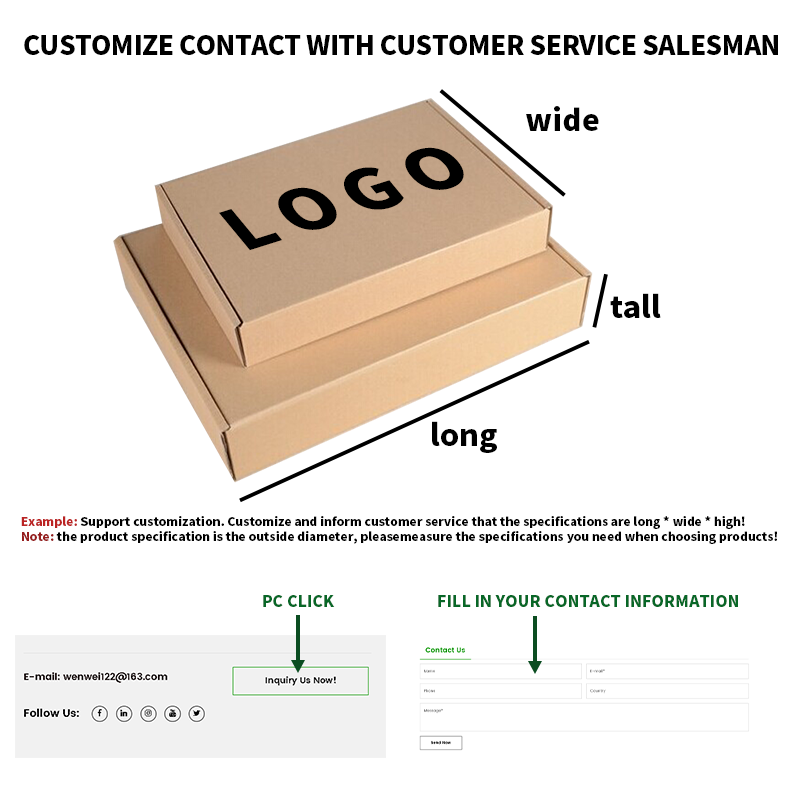 Blush Dot Self-Care Mailer BoxWe designed this mailer box to feel like a small gift the moment it arrives, scattering blush and rose dots across a warm pink base rather than reaching for a single f...View Product →
Gifts, flowers and cultural products
Here the finish is part of the gift. A matte film with a spot-gloss accent, or a matt film over a textured liner, feels handmade in the best sense. If the box has a window or a transparent panel, keep the lamination off the window area entirely and plan the film layout at the die-line stage.
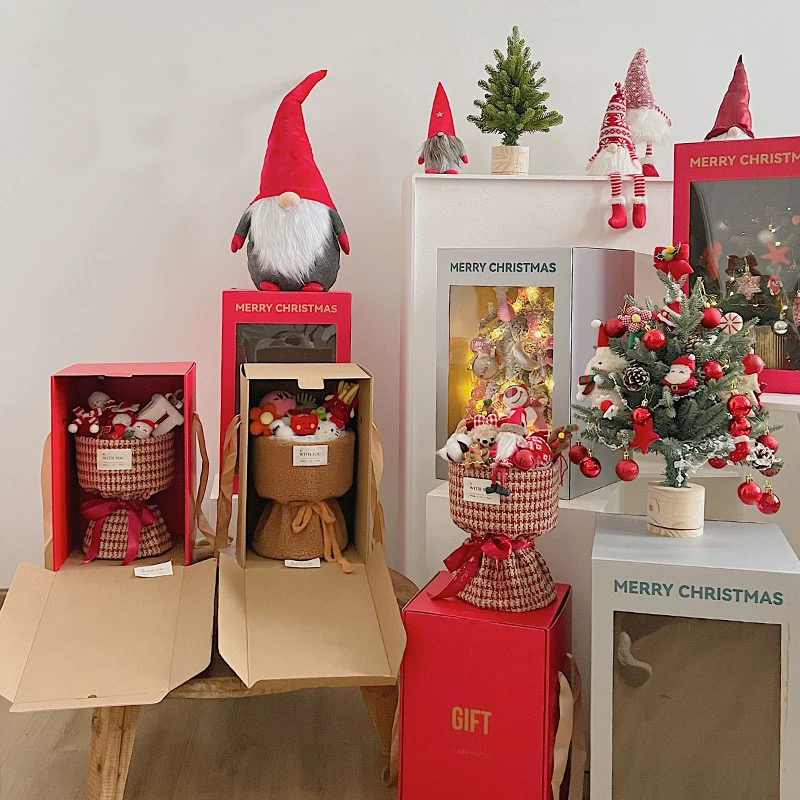 Festive Themed Transparent Flower Gift BoxesIntroducing the Festive Themed Transparent Flower Gift Boxes , a perfect combination of holiday spirit and practicality designed specifically for floral gifts during f...View Product →
Food, beverage and takeaway
Practicality usually decides. Gloss wipes clean, resists grease and keeps appetising photography vivid, which is why it remains the standard for pizza, bakery and beverage cartons. Matte works well on premium coffee, confectionery and gift-set packaging, where the box is kept rather than discarded the same evening.
Ecommerce shipping and logistics
For a plain brown shipper that travels through sorting centres, full lamination is often unnecessary expense, and a light varnish or uncoated board is the sensible choice. But when the shipping box doubles as the branding moment, a matte film protects the print through the whole journey and still looks intact when it lands on the doorstep.
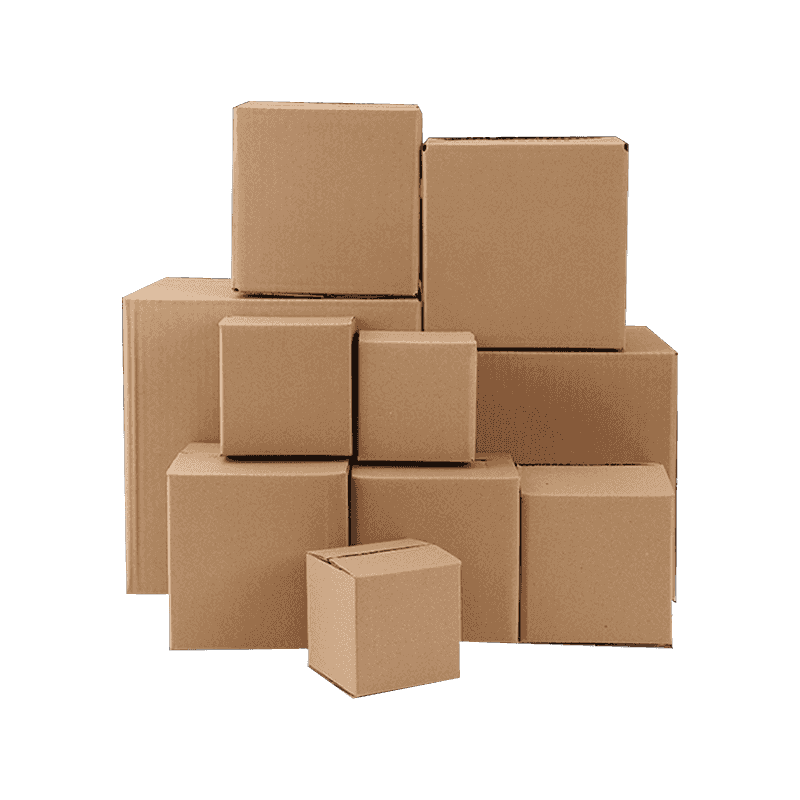 Standard Cube Corrugated Shipping BoxesCube-shaped boxes stack and palletize without the gaps that rectangular boxes leave behind, which matters for warehouse space and container loading efficiency at scale...View Product →
Cost, Durability and Print Considerations
Cost
Matte film and its adhesive layer usually cost a little more, and the process demands tighter control of temperature, pressure and roller condition to avoid a cloudy or patchy finish. The gap is modest, typically a small percentage of the total box cost, but it grows quickly if you laminate the entire outer surface when only a small panel needs it.
Durability in transit
Both films resist moisture and rubbing far better than uncoated print. The difference appears in how damage looks. Gloss shows every scratch and fingerprint; matte hides fingerprints but can develop pale rub marks where boxes vibrate against each other. For export shipments travelling weeks in a container, matte tends to age more gracefully in appearance, while gloss tends to stay cleaner in food environments.
Design and printing
Lamination works with the ink, not against it. Solid dark areas hold up better under film, and thin reverse type is safer when a film is applied, because it protects the printed layer. If you are planning any combination of matte base, spot gloss, embossing or foil, discuss it at the sampling stage. You can read more about the techniques we use in our overview of printed corrugated cardboard applications and printing techniques.
How We Help You Decide
Because we produce both the corrugated board and the finished box in our own plants in Zhejiang and Jiangxi, we can laminate a trial sheet and convert it into a real box within the same production cycle. That means you evaluate a finished sample rather than a flat print, and you see how the film behaves on the folds, the flaps and the glued seam, not just on the flat panel.
When buyers send us artwork, we usually ask three questions: Where will this box be handled? How long will it sit on a shelf? And is the box thrown away or kept? The answers normally settle the matte versus gloss debate in a single conversation. If you are still undecided, we will laminate the same design both ways and let you put them side by side under the lighting your customers actually shop in.
Matte lamination vs gloss lamination is not a question of which finish is better. Matte protects a mood, gloss amplifies a colour. Choose the finish that matches how your product is sold, handled and remembered, then confirm it on a physical sample before the run begins. That small extra step is the one that keeps a print job from becoming an expensive lesson.
If you would like to see how these finishes look on real production boxes, explore our corrugated packaging range or send us your artwork for a side-by-side sample.

- Contact Us
- Phone:+86-138 1869 0662
- TEL:+86-573 8570 0965
- Email:[email protected]
[email protected] - Address:No. 269, Jinsui Road, Xincang Town, Jiaxing City, Zhejiang Province, China
- Get in Touch

