


 English
  русский
  Français
  Español
  عربى
عربى Cardboard Packaging Boxes Suppliers
-

Corrugated Keyboard Packaging Boxes
Corrugated keyboard packaging boxes are a high-quality packaging solution specifically designed for ... -
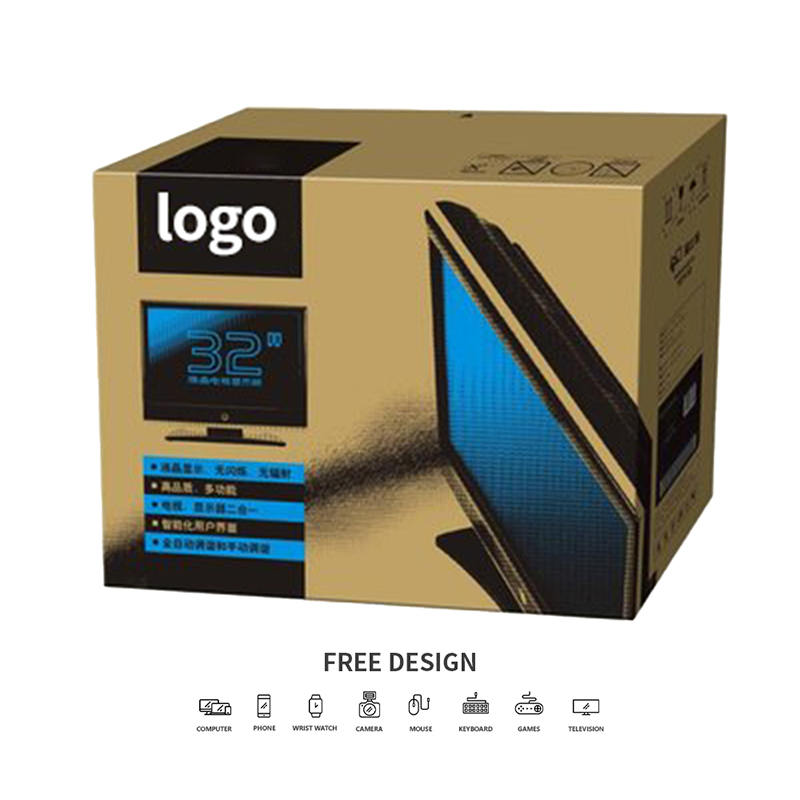
Corrugated LCD Display Packaging Boxes
Corrugated LCD display packaging boxes are a high-quality packaging solution specifically designed f... -
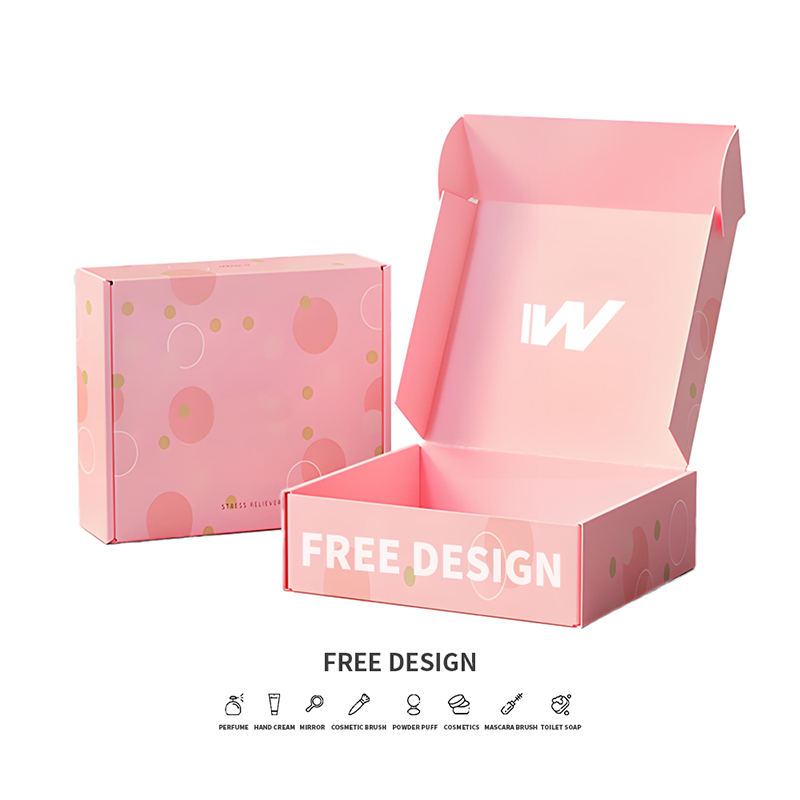
Blush Dot Self-Care Mailer Box
We designed this mailer box to feel like a small gift the moment it arrives, scattering blush and r... -
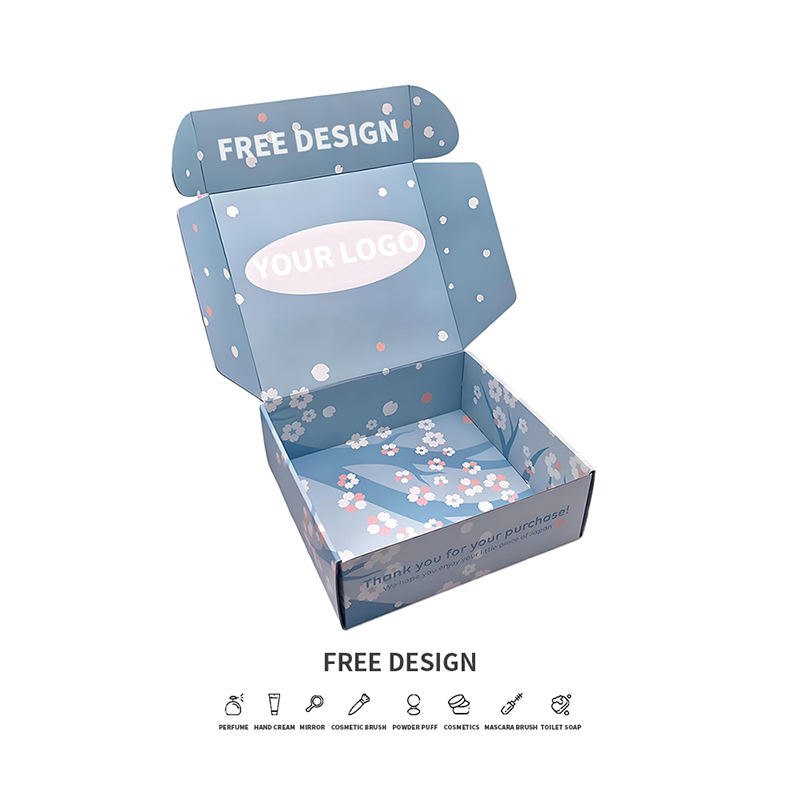
Sakura Mist Corrugated Gift Box
We built this box around the quiet elegance of a cherry blossom branch drifting across a dusty blue... -
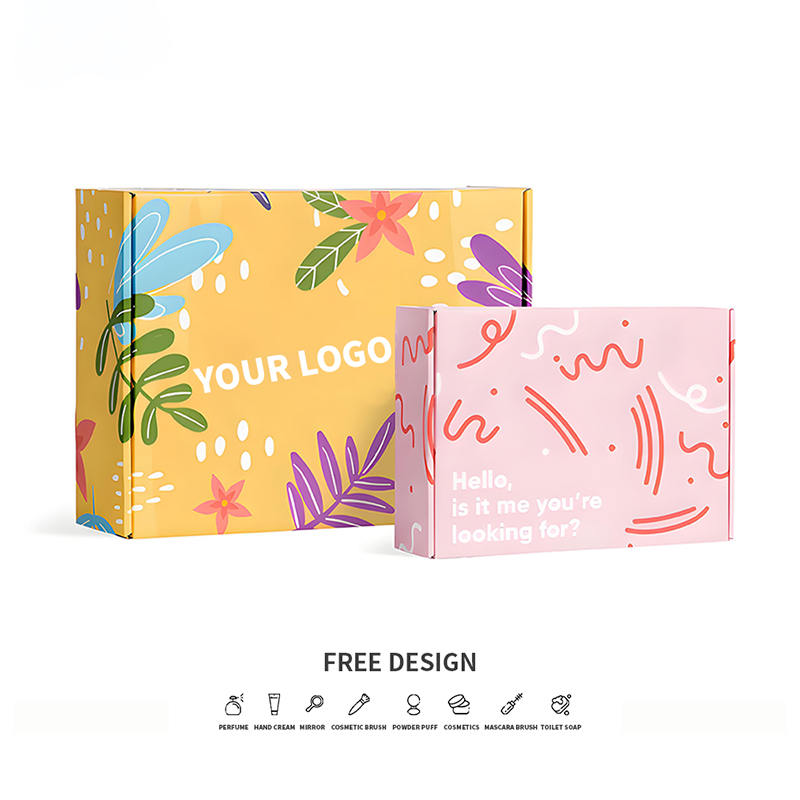
Tropic Bloom Corrugated Shipping Box
We layered bold tropical leaves and hand-drawn flowers over a saturated golden-yellow backdrop to g... -
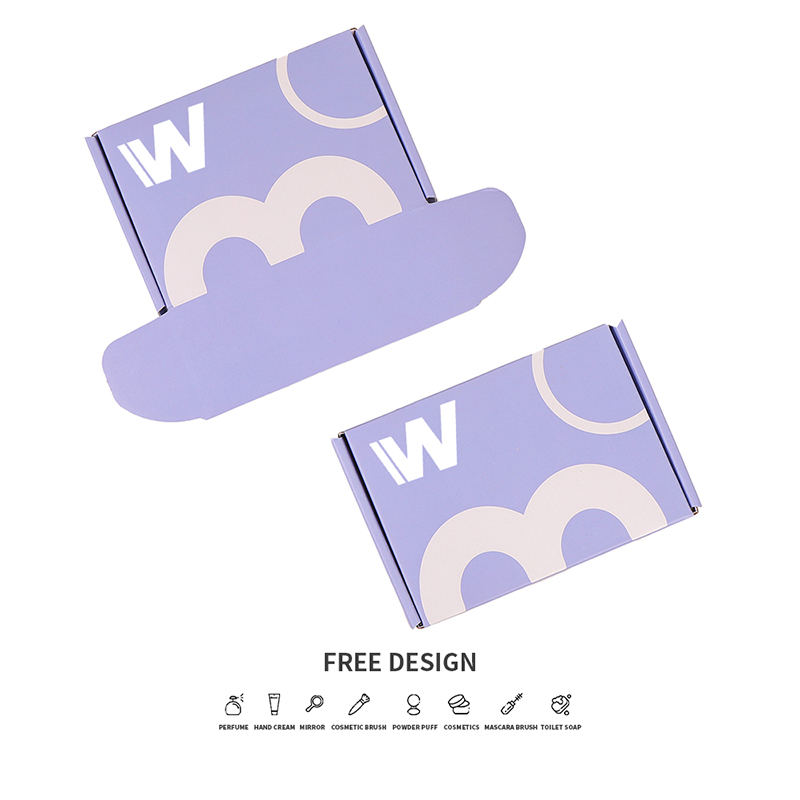
Lavender Cloud Corrugated Gift Box
We built this design around oversized cloud and rainbow shapes in soft lavender, aiming for a clean... -
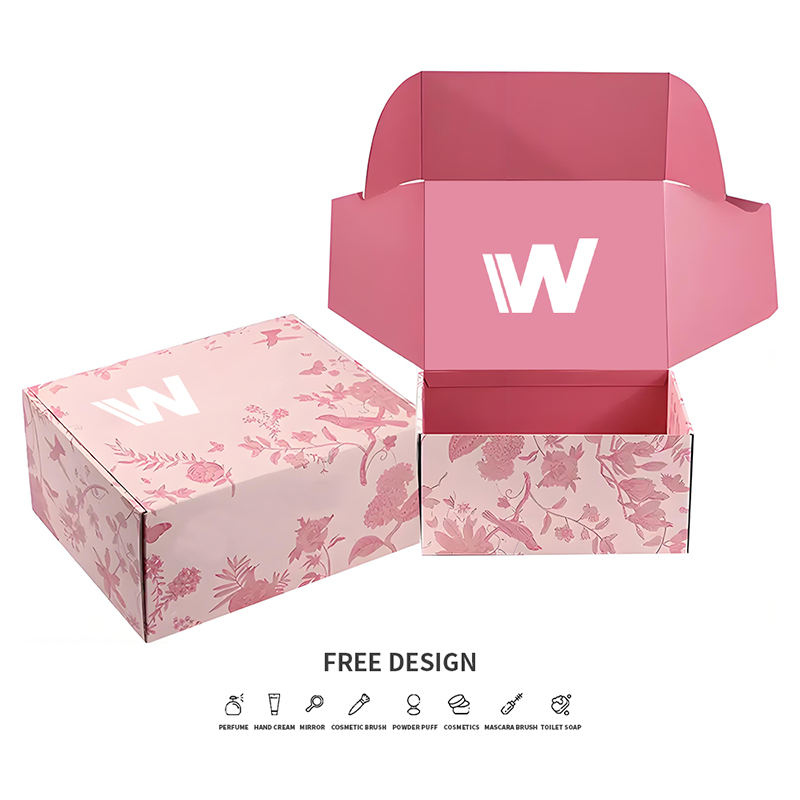
Vintage Chinoiserie Corrugated Gift Box
We rendered delicate botanical and bird illustrations in soft rose tones to give this box the look ... -
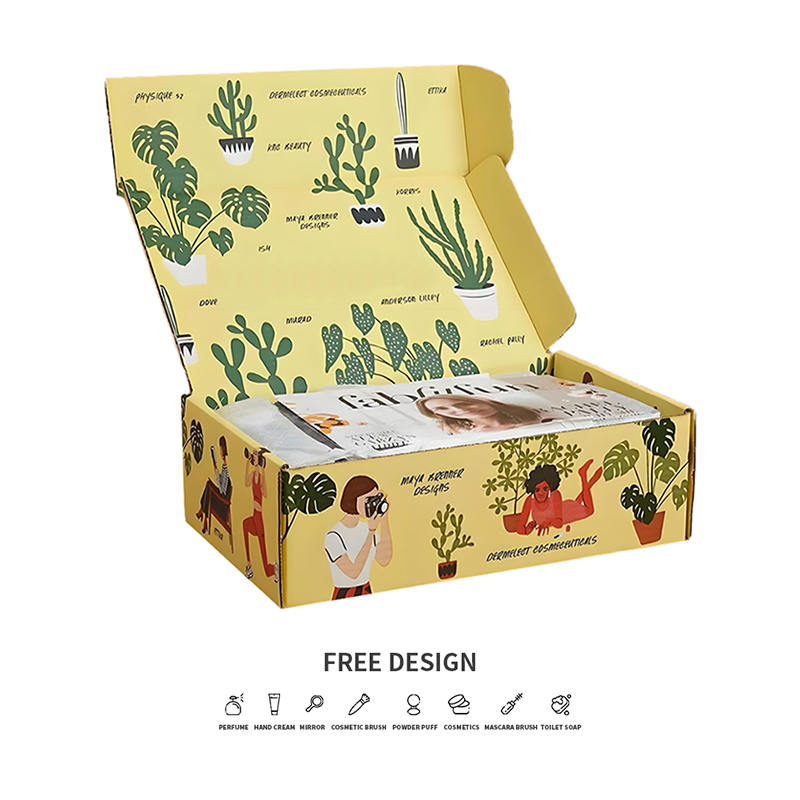
Botanical Sketch Subscription Box
We covered this box edge-to-edge in hand-illustrated cacti, monstera leaves, and lifestyle sketches... -
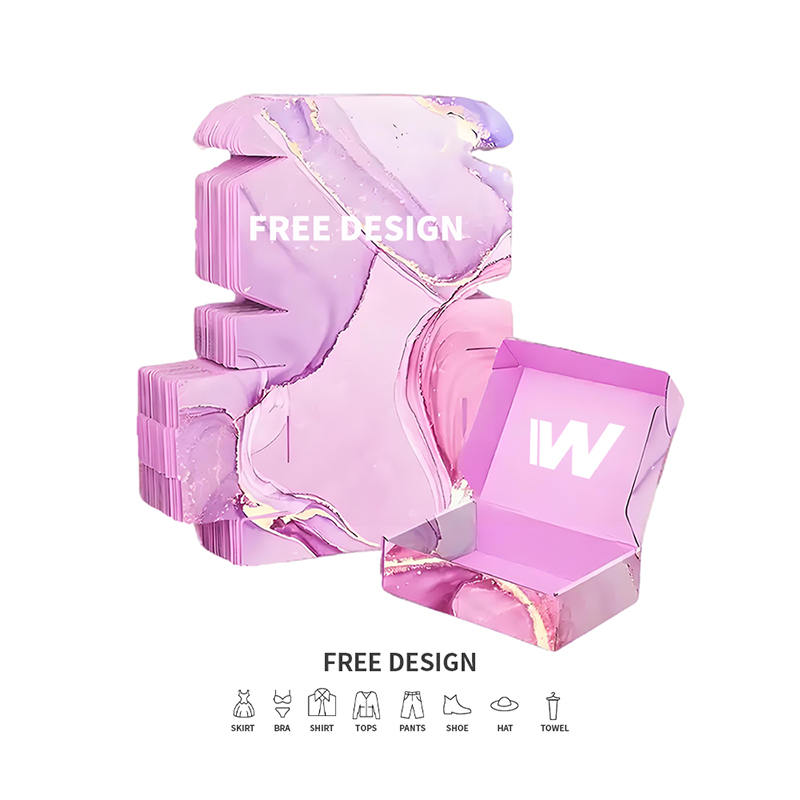
Purple Marble Corrugated Clothing Packaging Boxes
Purple marble corrugated clothing packaging boxes are a high-quality packaging solution that combine... -
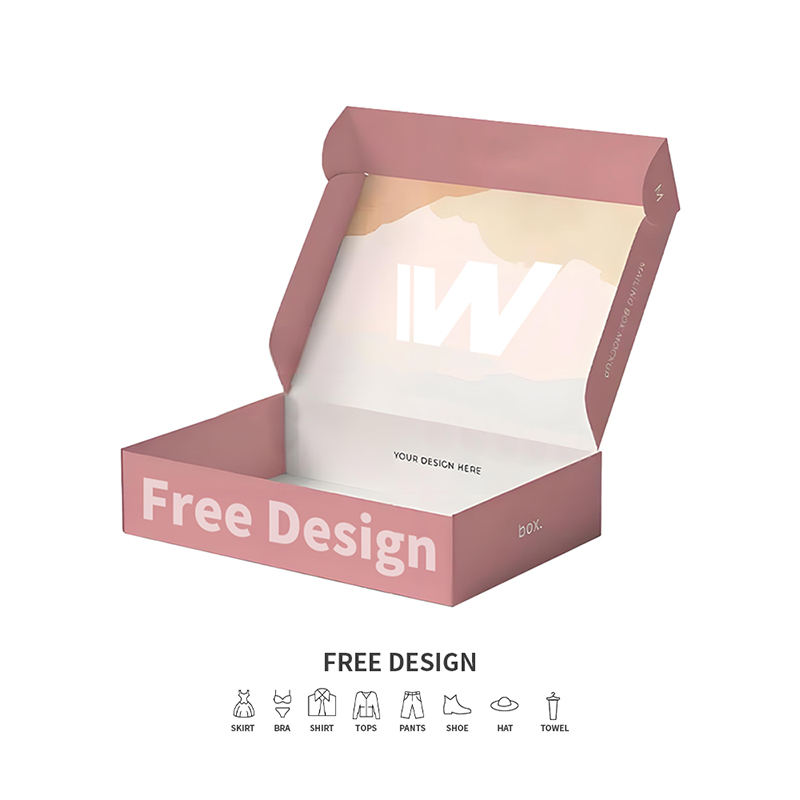
Soft Pink Corrugated Clothing Packaging Boxes
Soft pink corrugated clothing packaging boxes are a high-quality packaging solution that combines de... -
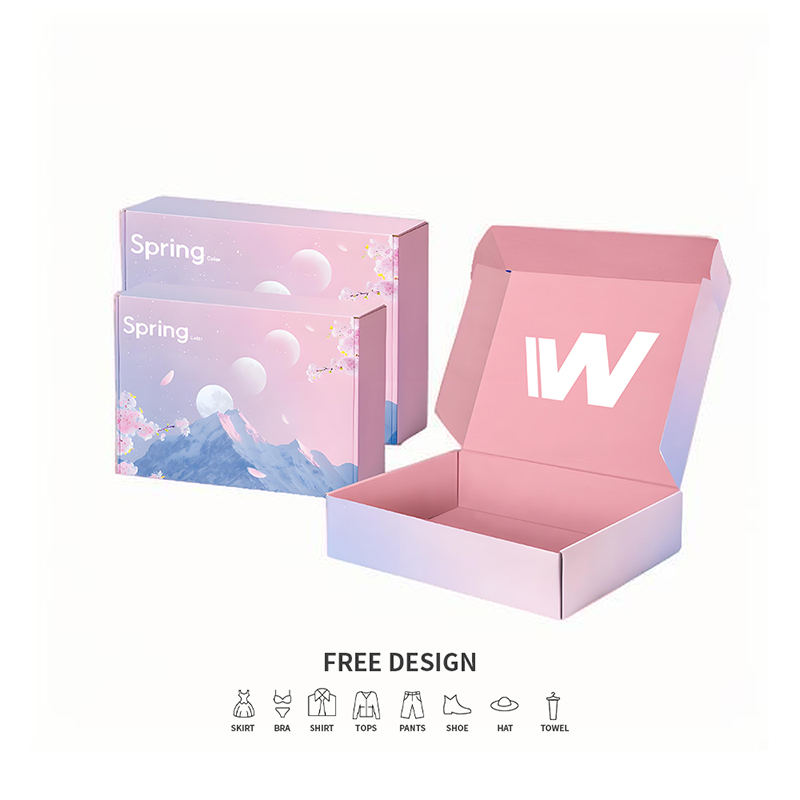
Pastel Gradient Corrugated Clothing Packaging Boxes
Pastel gradient corrugated clothing packaging boxes are a high-quality packaging solution that combi... -
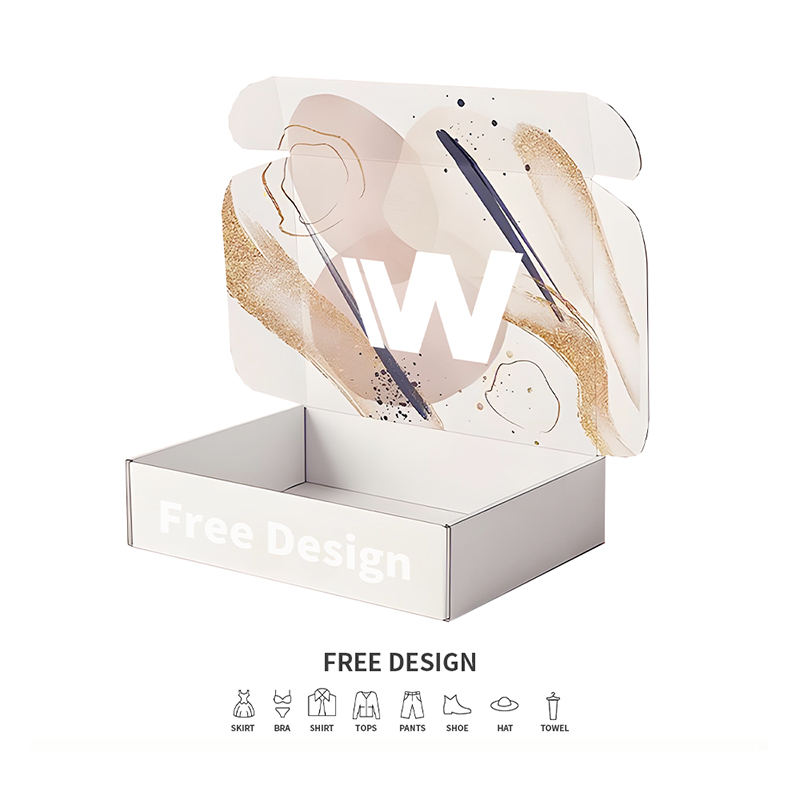
Wave-Corrugated Apparel Packaging Boxes
Wave-corrugated apparel packaging boxes are a high-quality packaging solution that combines creative...
About Us
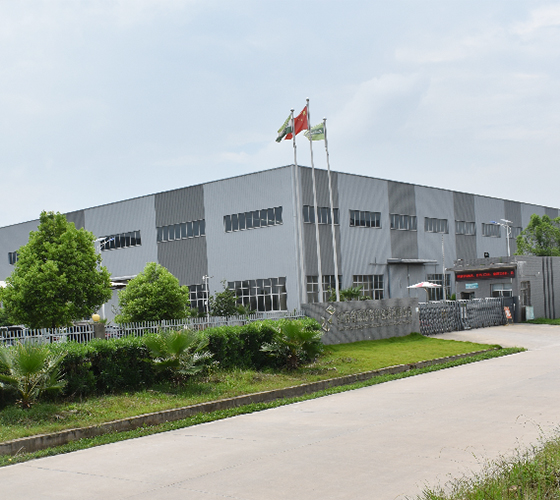
Zhejiang Wenchen Packaging Technology Co., Ltd. was established on December 24, 2004. As Cardboard Suppliers in China, Paper box Production Company, the company integrates R&D, manufacturing, export and domestic sales. It mainly deals in color boxes, corrugated boxes, corrugated cardboard, industrial cartons, Taobao Tmall and various e-commerce platforms postal express cartons, various specifications of customized printing and other carton products. With 15 years of carton production capacity, the company has rich product experience. The production of cardboard and carton is completed by the company, which guarantees the quality of the product from the source, focuses on automation and large-scale production, and responds quickly to customer requirements; vertical integration can bring better costs to customers.
The company covers an area of 61,111 square meters, with a plant area of 35,000 square meters, an annual output of 150 million square meters of cardboard, and a monthly output of 80 million cartons. Offer Wholesale cardboard packaging. In 2018, the company's annual output value was 260 million yuan.
At present, the company's annual production capacity of paper containers is 300 million square meters, with a fully automatic 2500 door width high-speed cardboard production line, a fully automatic 5-color carton linkage production line, a fully automatic digital printer, 8 three-color printing machines, 2 fully automatic four-color printing machines, 3 1500 die-cutting machines, 1 1450 fully automatic die-cutting machine and other production equipment. As Packaging Material Suppliers, the total investment is about 200 million, and the annual sales are about 500 million.
The company has a sound organizational structure and adheres to the principle of "people-oriented, integrity first, customer first, quality first". Friends from all walks of life are welcome to visit, guide and discuss business.
News
-
Industry News 2026-09-11
Every week a customer sends us two printed sheets and asks the same question: which one should we run? One is wrapped in a smooth matte film, the other in a high-gloss one. Both look fine on a desk u...
View More -
Industry News 2026-09-04
The First Rule of FDA Food Packaging Corrugated food packaging will never come with an FDA seal. If you are preparing to ship food in the United States, the practical question is not whether the prin...
View More -
Industry News 2026-08-28
Two quotes land on your desk for what looks like the same brown shipping box. One is built on 200# burst board, the other on 32 ECT, and the prices differ by a double-digit percentage. Both suppliers...
View More -
Industry News 2026-08-19
When a stack of hardcover books toppled a lightweight display in the middle of a busy sales event, the store owner did what most retailers eventually do: asked for something stronger. The fix was a c...
View More
Contact us now
Products
The Same Material, Very Different Jobs
Corrugated cardboard ends up carrying almost every category of product — from a single lipstick to a full-size appliance — but "a box" isn't one product decision, it's several stacked on top of each other: flute strength, board grade, insert design, closure style, and finish. The mistake most buyers make isn't picking the wrong material, it's applying one box spec across products that actually need different answers to each of those decisions.
Flute Profile Is the First Decision, Not an Afterthought
Flute height determines the trade-off between cushioning, print clarity, and cost, and it's usually the single choice that shapes everything downstream.
- E flute — smooth, high-detail printing surface; suited to cosmetics, gift boxes, mailers, and anything where the box itself is part of the presentation
- C flute — the general-purpose middle ground for everyday shipping, apparel, and household goods
- Double or triple wall — for weight-bearing loads: appliances, bulk goods, palletized freight
Board Strength Numbers Worth Actually Reading
Two ratings show up across almost every spec sheet and get confused often: ECT (Edge Crush Test) predicts how well a box resists being crushed when stacked, while burst strength predicts resistance to a sharp puncture from a single point. Stacked, palletized goods should be evaluated on ECT; irregular or sharp-cornered contents moving through mixed handling networks are better judged on burst strength. Reading the wrong number when comparing quotes is a common way to end up with a box that looks equivalent on paper but performs differently in transit.
Protection Should Match What Actually Threatens the Product
Damage rarely comes from one dramatic drop — it's usually vibration, repeated small shocks, or items shifting and rubbing against each other over a long transit. That means the right protection depends on the failure mode, not just the product category:
| Failure Mode | Typical Cause | Design Response |
|---|---|---|
| Rattling breakage | Loose fit, item moves freely inside box | Fitted inserts or dividers, not loose fill |
| Corner or edge impact | Dropped or tipped during handling | Reinforced corner posts or edge protectors |
| Compression sag | Prolonged stacking, especially in humid storage | Higher ECT rating with a built-in safety margin |
Sizing Affects Cost Long Before the Box Ever Ships
Most parcel carriers charge on dimensional weight, calculated from the box's outer dimensions rather than actual product weight — so a box with excess empty space can push a light shipment into a more expensive pricing bracket. Sizing a carton closer to the product's real footprint, rather than defaulting to a handful of generic stock sizes, is one of the more overlooked ways to reduce per-unit shipping cost across a full order volume.
Closures and Finish Should Follow the Product's Story, Not a Default Template
A self-locking base suits high-volume fulfillment where packing speed matters most; a hinged or drawer-style closure suits a gift or retail item meant to be opened slowly. The same logic applies to finish — full offset printing earns its cost when the graphic is doing the selling, while a plain kraft or textured surface with targeted spot printing often reads just as premium at a lower price point. We work across this whole range of structures and finishes from the same production line, so the box can be matched to how it's actually going to be packed, shipped, and opened rather than picked from a limited template.
Recyclability Is a Baseline, Not a Selling Point Anymore
Corrugated cardboard is inherently one of the more recyclable packaging materials available, made largely from recycled fiber to begin with. The more useful question for buyers has shifted from "is it recyclable" to whether any coatings, laminates, or mixed materials used for finishing might interfere with recycling at the box's end of life — worth confirming case by case, particularly on boxes with heavier film lamination or plastic-backed printing.

- Contact Us
- Phone:+86-138 1869 0662
- TEL:+86-573 8570 0965
- Email:[email protected]
[email protected] - Address:No. 269, Jinsui Road, Xincang Town, Jiaxing City, Zhejiang Province, China
- Get in Touch

